


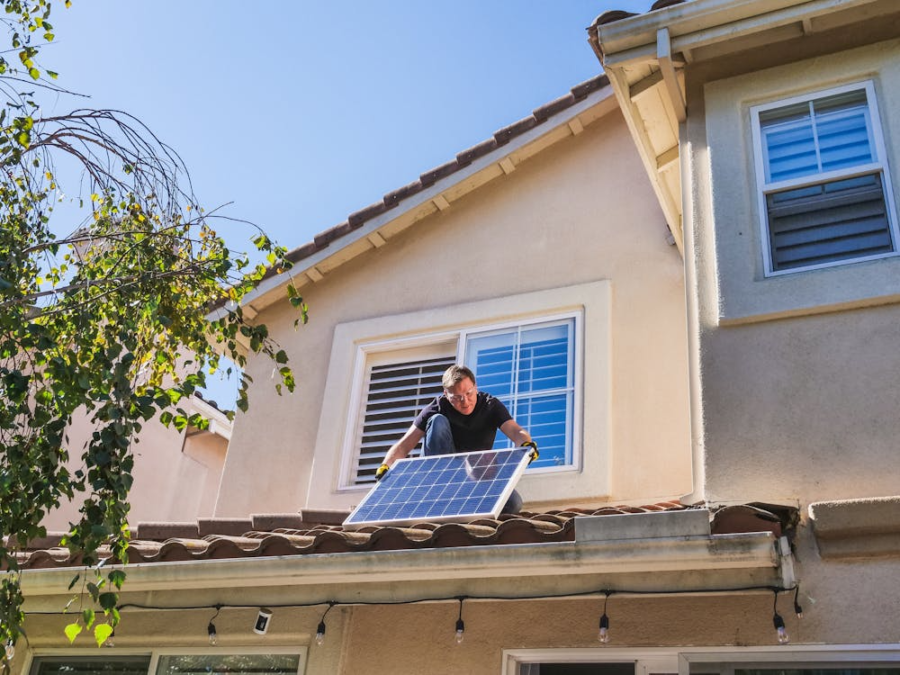
A solar system inspection is not the same as a general home inspection. It is a targeted technical evaluation of an operating electrical and mechanical system, conducted by someone who knows what it should be doing and what the signs of deviation look like. Homeowners schedule inspections for different reasons: a new home purchase, an alert from the monitoring app, a utility bill that does not match expectations, or simply a system that has been running for years without a professional review.
Residential solar inspection checklist items span the panel surface, the electrical and mechanical components, the inverter and monitoring system, and the roof itself. Our team conducts solar system inspections in the Bay Area as standalone evaluations and as part of our broader maintenance services, giving homeowners an accurate, documented picture of exactly what their system is doing.
Panel Condition: Cracks, Hot Spots, and Soiling
The panel surface inspection is the most visible part of the evaluation, but it is also the most technically specific. Our technicians look for microcracks, which are hairline fractures in the solar cells that are invisible to the naked eye but show up clearly under thermal or electroluminescence testing. Delamination, the separation of the encapsulant layer from the cells or backsheet, is another failure mode that significantly reduces output and accelerates moisture intrusion.
Hot spots occur when a section of a panel absorbs more heat than it can dissipate, typically due to a cell-level mismatch or a manufacturing defect. According to solar module reliability research, these kinds of failures are more common in older installations but can appear in newer systems under certain stress conditions. Soiling patterns on the surface, particularly uneven streaking or deposits concentrated in certain areas, can also indicate drainage issues or debris accumulation points that a cleaning alone will not resolve.
Inverter Health and Monitoring System Verification
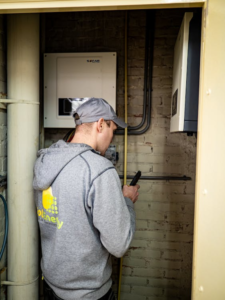
The inverter is the system’s most complex and failure-prone component, and the one that homeowners are least likely to check on their own. Our inspection includes a full review of the inverter error log, firmware version, output efficiency relative to rated capacity, and the accuracy of its communication with the monitoring platform.
Solar panel cleaning and maintenance in San Francisco often surface inverter issues that were not visible from the homeowner’s monitoring dashboard because the monitoring data itself was inaccurate. An inverter reporting incorrect production figures, whether high or low, can mask real performance problems for months. We verify inverter output against actual production data and compare it to expected figures given current weather and panel condition. Enphase IQ microinverter systems additionally allow per-panel production verification, which we use to identify individual underperforming units before they affect the broader system record.
Wiring, Conduit, and Racking Integrity
Below the panels and behind the inverter sits the electrical infrastructure that most homeowners never see. Wiring insulation degrades with thermal cycling and UV exposure. Conduit runs that were properly sealed at installation can develop gaps over time from building movement or seasonal expansion and contraction. In the Bay Area’s coastal climate, metal conduit and racking hardware corrode faster than in drier inland environments, and the corrosion accelerates at any point where dissimilar metals contact each other.
Our electrical inspection covers wiring insulation condition, conduit integrity at all penetration points, and racking hardware for corrosion, fastener loosening, and roof attachment integrity. A racking failure is a safety issue as well as a system performance issue, and it is far less expensive to address a compromised mount before a panel comes loose than after. Compliance with NEC Article 625 and California solar electrical standards is verified as part of this review.
Roof Condition and Its Impact on the Solar Array
A solar inspection that stops at the panels misses one of the most consequential variables: the condition of the roof underneath. Our technicians note any visible changes to the roofing surface in the vicinity of the array, including cracking, lifting, granule loss on asphalt shingles, and any signs of moisture intrusion around flashing or penetration points.
A roof problem caught during a solar inspection can prevent a far more expensive job down the line. If the roof needs work within the next two to three years and the solar array is on top of it, planning for panel removal and reinstall now, before the situation becomes urgent, typically costs significantly less than a rushed removal during an emergency repair. We flag these conditions in our inspection report so homeowners have the information they need to plan ahead.
See What Your System Is Really Doing: Book an Inspection
Clean Energy Renewables Inc. conducts thorough solar system inspections in San Francisco and across the Bay Area, including Redwood City and San Jose. Our technicians, including journeyman electricians with over 13 years of combined field experience, assess every layer of the system from panel surface to roof penetrations and deliver honest, documented findings with clear recommendations.
If your system has not been inspected in more than a year, or if anything has changed with its production, monitoring data, or the roof around it, the time for a professional review is now. We also offer scheduled solar panel maintenance packages that combine cleaning, inspection, and diagnostics in a single visit. Schedule a free solar consultation in San Francisco to get started.





Comments are closed