


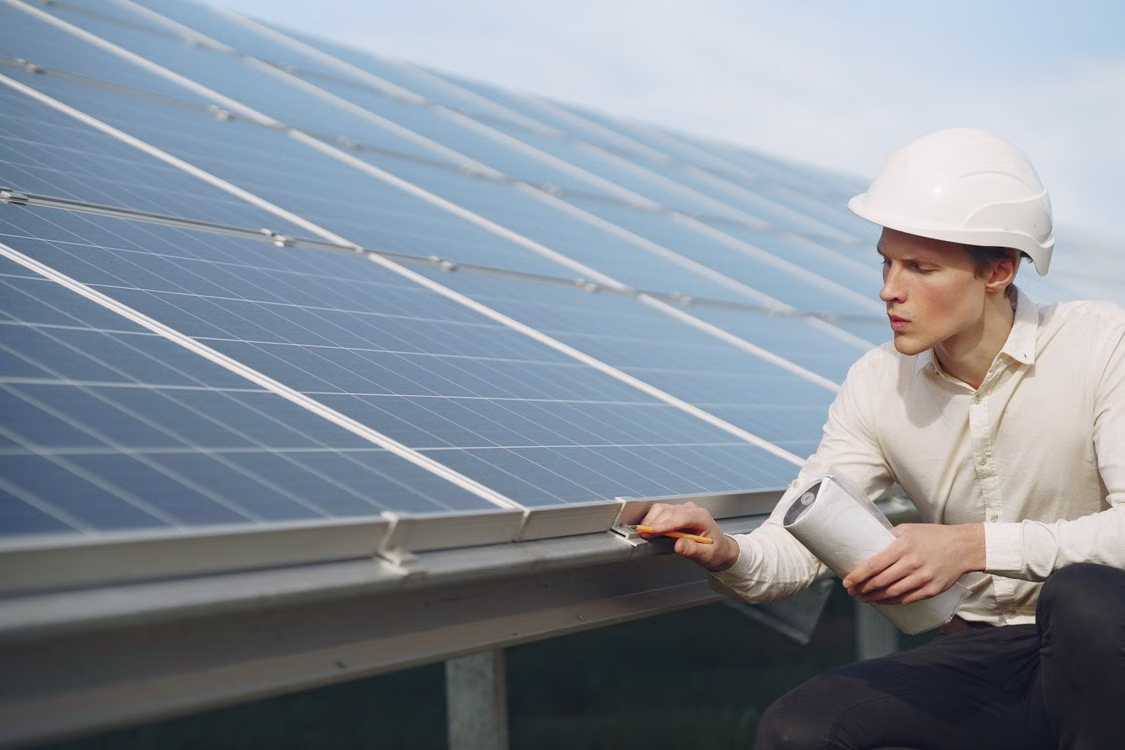
A solar installation starts with more than choosing panels and deciding how much electricity a home should generate. The roof itself plays an important role in determining how a system can be designed and installed. Its condition, structure, materials, orientation, slope, and available space all affect the installation process.
Before designing a residential solar system, contractors evaluate the property to identify practical roof requirements for solar installation and determine how the available roof area can support the proposed array.
Why Does Roof Condition Matter Before Solar Installation?
Solar panels are intended to remain in place for many years, so installing them on a roof that already needs major repairs can create unnecessary complications. Contractors look for visible signs of deterioration that could affect the installation or indicate that roofing work should happen first.
The evaluation may consider:
- Age and overall condition of the roof
- Damaged or deteriorated roofing materials
- Areas showing signs of water intrusion
- Previous repairs or modifications
- Roof sections that may require replacement
- Condition of the areas where mounting equipment will be installed
The goal is to avoid placing a new solar system over a roof that may soon require substantial work. Addressing roofing concerns before installation can make the overall project easier to coordinate.
What Structural Factors Are Evaluated?
Solar panels and their mounting equipment add weight to the roof, making structural considerations an important part of the planning process. Contractors need to determine whether the existing roof structure can accommodate the proposed system appropriately.
The assessment can include the roof framing, attachment points, and the configuration of the building. Local building requirements also influence how the system must be mounted and secured.
Structural considerations can vary considerably between homes. A newer property may have different construction characteristics from an older home, while additions, remodeled sections, or unusual roof designs can create additional factors for contractors to evaluate.
A qualified solar contractor can account for these conditions when developing the system design.
How Do Roofing Materials Affect the Installation?
Roofing materials can influence how solar mounting equipment is installed and how the project is approached. Asphalt shingles, tile, metal roofing, and other materials have different characteristics and installation considerations.
For example, tile roofs require careful handling during solar installation because individual tiles can be susceptible to damage if improperly handled. Contractors must also account for the existing roofing system when planning attachment points and flashing.
The objective is to integrate the solar mounting system with the existing roof while maintaining appropriate protection against water intrusion.
Does Roof Orientation Affect Solar Design?
The direction a roof faces can influence the amount and timing of sunlight available to the solar array. Contractors consider roof orientation when determining which sections of the property may provide useful solar exposure.
Roof slope also enters the design process. Different roof pitches can affect panel placement, layout, and available surface area.
A home does not necessarily need one perfectly positioned roof plane to support solar. Multiple roof sections may be evaluated to determine how panels can be arranged while accounting for orientation, shading, roof geometry, and electrical considerations.
How Much Roof Space Is Actually Available?
The total size of a roof does not necessarily equal the amount of space available for solar panels. Chimneys, vents, skylights, roof edges, dormers, and other features can limit usable areas.
Contractors consider the practical installation area rather than simply measuring the entire roof surface. Setback requirements and access considerations can also affect the final layout.
This evaluation helps determine how many panels can reasonably fit and whether the available space can support the homeowner’s energy goals.
A smaller usable roof area may require a different system configuration than a large, unobstructed roof. High-efficiency panels can be useful when available installation space is limited because they can produce substantial energy from a relatively compact area.
What Role Does Shading Play?
A roof may appear suitable for solar while still receiving inconsistent sunlight throughout the day. Trees, neighboring buildings, utility structures, chimneys, and other features can cast shadows across sections of the roof.
Shading patterns can also change seasonally. A tree that creates limited shade during one part of the year may affect a larger portion of the array during another.
Solar design therefore considers both the roof itself and the surrounding property. Identifying potential shading before installation allows contractors to account for it when determining panel placement and expected system performance.
How Are Roof Conditions Incorporated Into System Design?
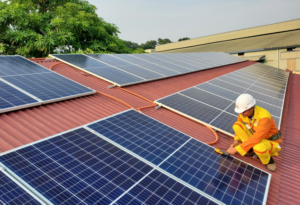
Once contractors evaluate the roof, those findings become part of the broader solar design. Panel placement, system size, equipment selection, and electrical configuration all need to work with the property’s physical characteristics.
Clean Energy Renewables Inc. designs and installs grid-tied residential solar systems using high-efficiency panels and Enphase microinverters, paired with advanced smart monitoring.
The company also provides free consultations and system sizing, giving homeowners an opportunity to discuss their property, energy needs, and available installation options before moving forward.
What Happens When a Roof Needs Work First?
A roof that requires repairs or replacement does not automatically mean solar installation is impossible. It may simply mean the project needs to be sequenced carefully.
Installing solar after necessary roofing work can prevent the panels and mounting equipment from interfering with future roof repairs. Contractors can also design the system around the updated roof configuration.
Homeowners planning both projects should coordinate the timelines rather than treating the solar installation and roofing work as completely separate decisions.
Why Does Professional Solar Design Matter?
The roof requirements for solar installation extend beyond having enough space for panels. Roof condition, structural characteristics, materials, orientation, slope, shading, and available surface area all influence how a residential system can be designed.
Professional solar design brings these factors together before installation begins. Clean Energy Renewables Inc. works with journeyman electricians and licensed C-10 contractors to support electrical and installation requirements for residential solar projects.
Clean Energy Renewables Inc. provides residential solar consultations and system sizing throughout the Bay Area. Call now to discuss your property and begin planning a solar installation designed around your home’s roof.
A thorough evaluation before installation helps identify potential limitations early and creates a solar design that works with the property’s existing characteristics.




Comments are closed