


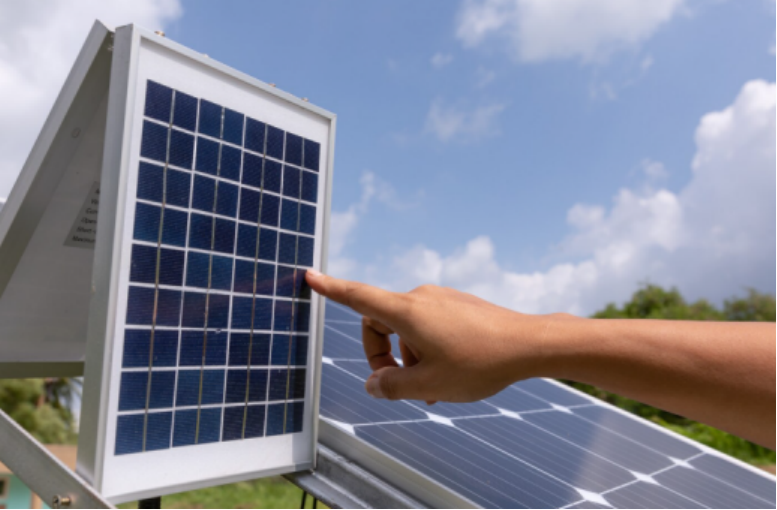
Solar panels can look clean, intact, and completely normal while the system produces less electricity than expected. A visible inspection only tells part of the story.
Electrical connections, inverters, shading patterns, monitoring data, and other system components can affect energy production without leaving an obvious mark on the panels themselves.
When a residential solar system develops low solar production, reviewing performance data alongside the physical condition of the equipment can help identify what has changed.
Production Can Decline Without Visible Panel Damage
Solar panels are designed to operate outdoors for years, but their performance depends on more than the condition of the panel surface. A panel may have no obvious cracks, discoloration, or debris and still contribute less energy than expected.
Several factors can reduce electricity generation while leaving the array looking normal. Changes in sunlight exposure, electrical connections, inverter performance, and system settings may only become apparent through monitoring data or a professional inspection.
Comparing current production with previous patterns can provide useful context. Seasonal changes are expected, but a significant or persistent drop may deserve closer attention.
Shading Can Change Over Time
Trees and nearby structures can create shading that was not present when the solar system was originally installed.
Vegetation grows, landscaping changes, and the position of the sun varies throughout the year. As a result, an array that once received consistent sunlight may experience partial shading during certain hours.
Shading can be particularly difficult to notice when it affects only part of the array or occurs for a limited period each day. The panels may still appear completely normal during a visual inspection.
Even relatively small changes in shade patterns can affect production. Reviewing monitoring information throughout the day can help reveal whether generation drops during specific periods when shadows reach the array.
Wiring Problems May Reduce System Output
Solar wiring carries electricity between the panels, inverter, and other system components. Loose connections, damaged wiring, corrosion, or other electrical problems can interfere with normal system operation.
These issues are not necessarily visible from the ground. Some connections and wiring are located beneath panels or within electrical equipment, making professional inspection important when production changes unexpectedly.
Electrical problems can also create intermittent performance. A system may generate normally at certain times and produce less electricity at others, making the issue harder to identify without monitoring data and appropriate testing.
Professional system repair and solar maintenance can help identify electrical problems before they contribute to more significant performance issues.
Inverter Performance Plays a Major Role
The inverter is responsible for converting the electricity generated by solar panels into usable power for the home. A problem with the inverter can therefore affect the output of an otherwise healthy-looking array.
Clean Energy Renewables Inc. installs grid-tied residential solar systems using high-efficiency panels and Enphase microinverters with advanced smart monitoring. Microinverters provide panel-level performance information, which can make differences between individual panels easier to identify.
An inverter-related issue may involve an error notification, reduced output, intermittent operation, or another change that is not apparent from the roof. Monitoring alerts can provide an early indication that further inspection is needed.
Monitoring Data Reveals What a Visual Check Cannot
Solar monitoring provides a record of how a system performs over time. Instead of relying solely on what the panels look like, homeowners can review production patterns and identify changes from previous periods.
Useful information may include:
- Daily and monthly energy production
- Panel-level performance where available
- System alerts or error notifications
- Sudden changes in production
- Differences between expected and actual generation
- Periods when the system stops producing
Monitoring data becomes particularly useful when the physical appearance of the array has not changed. A professional can use this information alongside system testing to narrow down potential causes.
Environmental Conditions Affect Solar Generation
Weather naturally affects solar output. Cloud cover, rain, seasonal daylight hours, high temperatures, and atmospheric conditions can all influence how much electricity an array generates.
Temperature is another factor. Solar panels can experience reduced efficiency as operating temperatures rise, even when the panels are receiving strong sunlight. This does not necessarily indicate a system problem.
The important distinction is between normal environmental variation and an unusual or sustained production decline. Comparing performance across similar periods can help provide a more accurate picture.
System Age and Component Performance Matter
Solar systems contain multiple components that work together over time. While panels are built for long-term use, electrical equipment, connections, monitoring components, and other system elements may require inspection or maintenance.
A gradual decline can be harder to notice than a sudden failure. Reviewing production trends periodically allows homeowners to spot changes before they become significant.
Routine solar maintenance can include system inspections, performance checks, and evaluation of components that may affect generation. Addressing small issues early can help maintain reliable operation.
Professional System Checks Can Identify Hidden Issues
A clean-looking array does not automatically mean every part of the system is operating correctly. When production remains lower than expected, a professional inspection can evaluate the system as a whole.
Low solar production can have several causes, and the panels themselves may not show any obvious signs of trouble. Shading, wiring problems, inverter issues, environmental conditions, and gradual component changes can all affect how much electricity a system generates.
Reviewing monitoring data and arranging professional system maintenance can help uncover problems that a basic visual inspection may miss.
For residential solar system repair, maintenance, or performance concerns, call (650) 906-7626 to schedule a consultation. Services are available throughout the Bay Area, including Redwood City and San Jose.



Comments are closed