



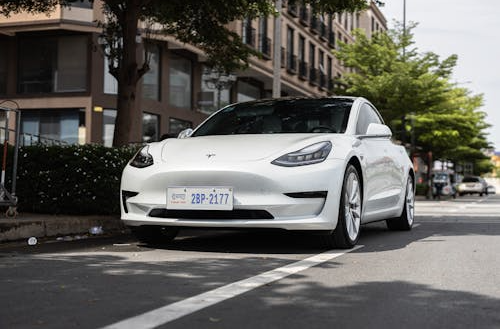
The transition toward electric mobility is no longer a futuristic concept but a present reality. Research from the International Energy Agency (IEA) indicates that electric vehicle (EV) registration has seen a compound annual growth rate exceeding 35% in recent years. For homeowners, the primary shift involves moving from a “gas station” model to a “home refueling” model. Data suggests that over 80% of EV charging occurs at residences, yet many properties lack the necessary infrastructure to support high-speed power delivery.
A robust home charging setup is not merely a convenience; it is a fundamental requirement for vehicle performance and battery longevity.
Understanding Charging Levels and Speed
A standard 120V household outlet, known as Level 1 charging, typically adds about 3 to 5 miles of range per hour. For the average commuter, this is insufficient. Transitioning to a Level 2 charger—which operates on a 240V circuit—can provide 25 to 40 miles of range per hour.
- Voltage Requirements:Level 2 chargers require a dedicated circuit similar to what a large appliance uses.
- Amperage:Most high-speed chargers pull 32 to 48 amps. This often necessitates an electrical panel evaluation by a solar energy contractor.
- Plug-in vs. Hardwired:Hardwired units offer higher power ratings and better weather resistance for outdoor installations.
Evaluating Your Electrical Capacity
Before proceeding with an EV charger installation, a technical assessment of your home’s electrical service is necessary. Many older homes are equipped with 100-amp panels, which may not support the additional load of a fast charger alongside modern appliances.
If your panel is at capacity, you might require solar upgrades. Upgrading your electrical infrastructure ensures that your home remains safe while delivering the high current required for rapid vehicle charging. Working with a licensed solar contractor ensures that these upgrades meet local building codes and safety standards.
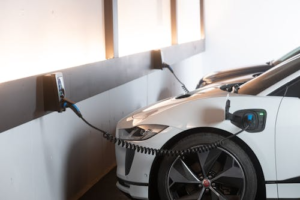
Integrating Solar and Storage
The most cost-effective way to power an electric vehicle is through on-site generation. By utilizing home solar systems, you can fuel your car with sunlight, effectively eliminating fuel costs.
- Synergy with Generation:A solar installation can be sized to include your vehicle’s projected annual kilowatt-hour consumption.
- Strategic Storage:A solar battery installation or a Tesla Powerwall installation allows you to store solar energy produced during the day and use it to charge your car at night.
- Grid Independence:Utilizing home battery backup services ensures that your vehicle and home stay powered even during utility grid failures.
Choosing the Right Hardware
Not all chargers are created equal. When selecting components for your home charging setup, consider smart features that provide greater control.
- WiFi Connectivity:Modern chargers allow you to schedule charging during off-peak hours when utility rates are lowest.
- Load Balancing:Smart chargers can communicate with other appliances to prevent overloading your electrical system.
- Weatherproofing:If your charger is outdoors, ensure it has a NEMA 4 rating to withstand the coastal humidity and fog common in Northern California.
Consulting a solar panel installer can help you select hardware that integrates seamlessly with your existing energy management software
Professional Installation and Compliance
DIY electrical work is a risk to your property and your vehicle warranty. A professional solar installation performed by a solar energy contractor in the Bay Area involves obtaining the necessary permits and passing municipal inspections. This documentation is often required to qualify for federal tax credits or local utility rebates.
Additionally, a solar panel installer can ensure that your roof and electrical system are optimized. Regular solar panel cleaning & maintenance will also keep your production high enough to cover both your household and your transportation needs.
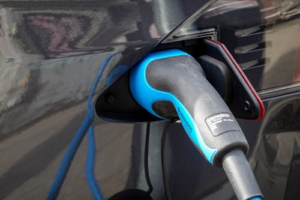
Securing Your Future Energy Infrastructure
Integrating an EV into your life requires a shift in how you view home utility. By combining high-speed charging with residential solar, you create a closed-loop system that provides financial stability and environmental benefits. Relying on the best solar company ensures that every component—from the panels to the charger—is installed for maximum reliability.
If you are ready to build a smarter, faster home charging setup, consult Clean Energy Renewables Inc. today. We provide reliable energy solutions and offer a free solar consultation to help you plan your transition. Contact now!






Comments are closed