


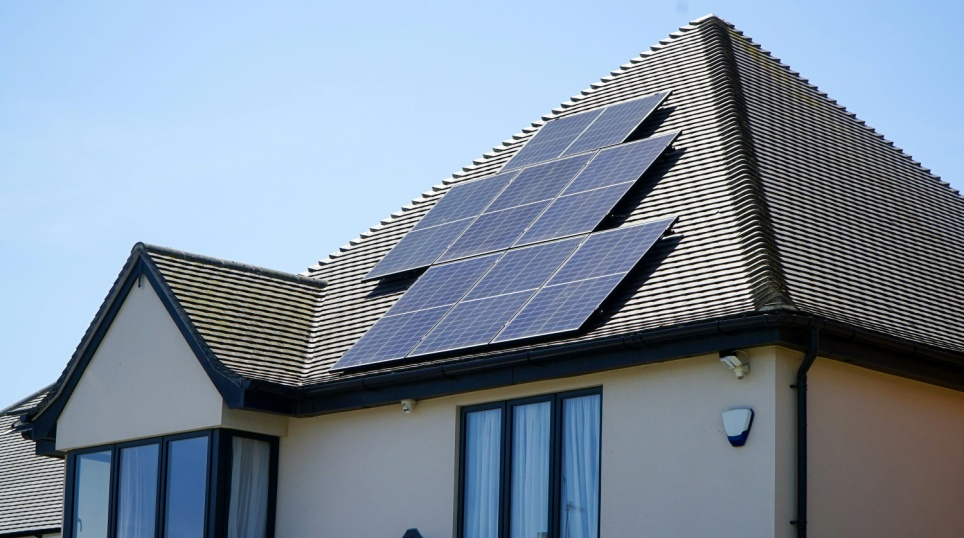
The solar industry has undergone a radical transformation over the past decade. Photovoltaic technology that was considered top-tier in 2014 now operates at significantly lower efficiency levels compared to modern modules. According to research, standard solar panel efficiency has climbed from an average of 15% to over 22% in recent years. Furthermore, the degradation rate for older silicon cells typically averages 0.5% to 0.8% annually, meaning a ten-year-old system may have lost nearly 10% of its original nameplate capacity.
For owners of home solar systems, recognizing the signs of older solar fatigue is the first step toward reclaiming energy independence and lowering utility expenditures.
1. Significant Decline in Monthly Energy Yield
The most obvious indicator that your system requires attention is a steady drop in production that cannot be attributed to seasonal changes. While dirt accumulation is a factor, internal cell degradation or “PID” (Potential Induced Degradation) can permanently reduce output.
- Comparison Data:Check your current monitoring portal against production logs from three to five years ago. A double-digit percentage drop often signals hardware fatigue.
- Physical Wear:Older panels may show “snail trails” or micro-cracks that impede electron flow.
- Maintenance Needs:Sometimes, the issue is external. Professional solar panel cleaning & maintenance can restore some lost power, but if production remains low after a cleaning, the hardware itself is likely the culprit.
- Inverter Failure or Frequent Error Codes
While solar panels are rated for 25 years, the central inverter—the “brain” of the system—typically has a lifespan of 10 to 15 years. If you notice your inverter display is blank, showing red fault lights, or frequently rebooting, it is time to consult a solar energy contractor.
- Modern Alternatives:Upgrading to micro-inverters or power optimizers allows each panel to operate independently. This prevents one shaded or underperforming panel from dragging down the entire array.
- Efficiency Gains:Modern inverters have higher conversion efficiencies, ensuring more DC power from your roof actually reaches your home as usable AC power.
3. Increasing Household Electricity Demands
Your energy needs a decade ago likely differ from your requirements today. The addition of smart appliances, home offices, or a new family member can outpace the capacity of an older, smaller system.
- Electric Vehicle Integration:If you are planning an EV charger installation, your legacy system may not provide enough surplus energy to fuel a vehicle.
- Strategic Expansion:A solar panel installer can add new, high-efficiency panels to your existing footprint to cover the increased load.
- System Refreshes:Solar upgrades often involve replacing a few low-output panels with high-wattage modern versions to maximize space.
4. Lack of Reliable Battery Storage
Older solar installations were almost exclusively “grid-tied,” meaning they shut down during a blackout for safety reasons. Without storage, you remain vulnerable to utility outages and peak-hour pricing.
- Energy Security:Modern home battery backup services allow you to keep the lights on when the grid fails.
- Cost Management:By integrating a solar battery installation, you can store energy during the day and use it during “Time-of-Use” peaks when utility rates skyrocket.
- Premium Tech:A Tesla Powerwall installation provides a seamless way to modernize an aging array, turning a simple solar setup into a comprehensive home microgrid.
5. Expired Warranties and Safety Concerns
Legacy systems often lack the advanced rapid-shutdown features required by current electrical codes. If your original installer is no longer in business or your manufacturer’s warranties have expired, you are carrying the full financial risk of a failure.
- Professional Assessment:A licensed solar contractor can perform a safety audit to ensure your wiring and racking are still secure.
- Modern Standards:New solar installation adheres to much stricter fire safety and weatherproofing regulations than systems built in the early 2010s.
- Reliability:Switching to reliable energy solutions means gaining the protection of new 25-year performance and labor warranties.
Modernizing Your Renewable Energy Asset
An aging solar array does not necessarily need to be scrapped, but it does need to evolve. By identifying the signs of older solar degradation early, you can make incremental improvements that significantly increase your return on investment.
If your production is slipping, consult Clean Energy Renewables Inc. for a free solar consultation in San Francisco. As the best solar company, we specialize in solar energy solutions that bring aging systems into the modern era. Contact now!






Comments are closed