


The day a solar system gets turned on is the day most homeowners stop thinking about it. That is understandable: the appeal of solar is partly that it promises a passive energy benefit with minimal ongoing effort. But “minimal” is not the same as “none,” and the gap between those two things is where most of the performance loss, premature failures, and avoided warranties actually live.
Common solar panel problems rarely announce themselves loudly. They build quietly over months and years: a little less production here, an ignored alert there, a shading issue that grew while the tree next door did. For homeowners in San Francisco and across the Bay Area, the cost of these compounding errors often shows up as surprisingly high utility bills despite having solar maintenance services in the Bay Area as a readily available option.
Skipping Annual Maintenance and Cleaning
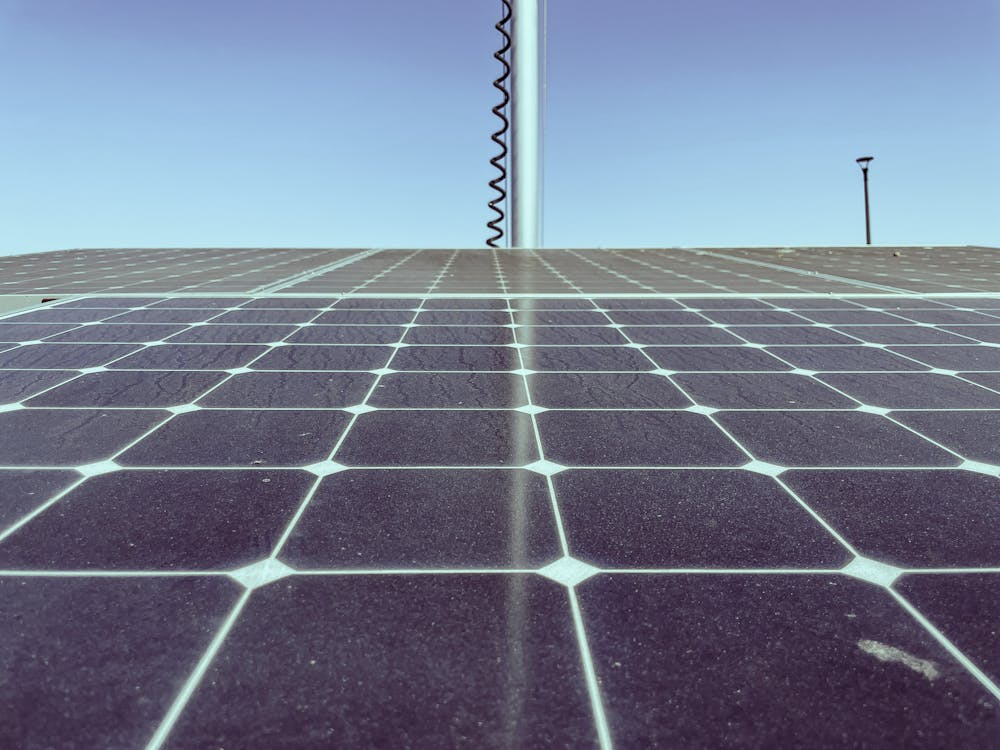
Solar panels are exposed to everything the Bay Area atmosphere delivers: coastal salt air, urban particulates, pollen, bird activity, and seasonal construction dust from nearby development. Rain helps to a point, but a light rinse does not remove the kind of layered soiling that builds up on flat or low-tilt arrays. According to research from the National Laboratory of the Rockies (formerly NREL), panels degrade at a median rate of 0.5% to 1% per year under normal conditions, and soiling adds to that loss on top of the baseline degradation curve.
A panel with significant soiling can lose several percentage points of output without the monitoring data showing any obvious fault. The system keeps running, and the homeowner assumes everything is fine. Annual professional cleaning costs a fraction of what accumulated energy losses represent over a year, and it gives a technician eyes on the array surface at the same time.
Ignoring Inverter Alerts and Monitoring Data
Enphase systems and most modern inverter platforms provide per-panel or per-string production data accessible from a mobile app. In our experience, most homeowners check this data enthusiastically for the first month after installation and then stop entirely. This is exactly when monitoring earns its value: sustained, passive attention to production trends is how faults get caught before they escalate.
Solar panel repairs in the Bay Area are often triggered by faults that showed up in monitoring data weeks or months before the homeowner noticed anything. A single microinverter producing at 40% capacity is dragging down system totals. A module with intermittent output dropping off on hot afternoons. An error code appears every few days and clears itself before anyone calls. These are not self-resolving problems. They are early warnings, and the longer they go unaddressed, the more expensive the fix tends to be.
Letting New Shading Go Unaddressed
A solar system is designed around the shading conditions that existed at the time of installation. Everything changes afterward. Trees grow. Neighbors add a rooftop deck, an ADU, or a pergola. HVAC equipment gets relocated. The roof gets a new satellite dish. Each of these changes the shading picture, and shading is one of the most disproportionate causes of production loss in solar systems.
On systems using string inverters, a single shaded cell can pull down the output of an entire string. Microinverter systems handle this better by isolating each panel independently, but partial shading still costs real production. A shading re-evaluation is worth scheduling any time a significant change has occurred near the array, and our inspection service includes a shading assessment as part of the review.
Not Revisiting an Outdated System After 10+ Years
Systems installed in the early 2010s were designed with hardware that is now a generation or two behind. Many use string inverters that are reaching or past their expected service life of 10 to 15 years. These older inverters cannot communicate with modern battery storage systems, cannot provide the per-panel data that current monitoring platforms deliver, and often have no active support from the manufacturer.
Under California’s current net billing structure, the financial case for adding battery storage has never been stronger. But adding a battery to a system built around an old string inverter is often not straightforward, and in some cases not possible without an inverter upgrade. An annual review with a licensed contractor reveals these gaps before they become urgent and gives homeowners a realistic picture of what a targeted upgrade would involve.
Protect What You Paid For: Solar That Earns Its Keep
Clean Energy Renewables Inc. provides professional solar maintenance, cleaning, diagnostics, and solar maintenance in San Francisco and across the Bay Area, serving homeowners in Redwood City, San Jose, and surrounding communities. Our founder has 13 years of field experience, and every maintenance visit is performed by technicians who know what a healthy system looks like and what the warning signs of a failing one are.
If your system has not had a professional review in more than a year, or if your utility bills have crept back up despite having panels on the roof, it is time to take a closer look. Schedule a free solar consultation in San Francisco and let us assess what your system is actually doing and what it could be doing with the right attention.





Comments are closed