


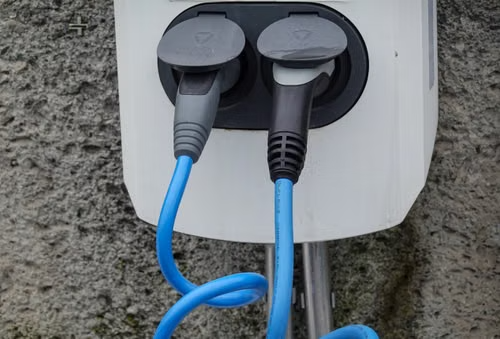
As more California homeowners switch to electric vehicles, home charging systems have become a valuable investment. While purchasing a charger is relatively simple, installation requires more than mounting equipment on a wall. Meeting EV charger installation requirements protects your home, your family, and your investment.
Permits and code compliance confirm that the electrical work meets local regulations and that your charging system operates safely for years to come.
Why Electrical Permits Are Required
An EV charger draws a significant amount of electricity. Installing one without proper approval can overload circuits or create safety risks.
A permit allows local building departments to verify that:
- Your electrical panel can support the added load.
- Wiring meets current electrical standards.
- Grounding and circuit protection are correctly installed.
- The charger complies with local and state building codes.
Following these steps also helps homeowners avoid problems during future property inspections or home sales.
Code Compliance Protects Your Investment
Electrical codes are updated regularly to reflect new safety standards. Working with experienced professionals means your installation follows the latest regulations.
Proper compliance helps:
- Reduce fire and electrical hazards.
- Protect manufacturer warranties.
- Support homeowner insurance requirements.
- Improve long-term system reliability.
Homeowners planning home solar systems or solar battery installation should also consider future electrical capacity when installing an EV charger.
Professional Installation Reduces Future Problems
Experienced installers evaluate your home’s electrical system before beginning any work.
They typically review:
- Available breaker capacity
- Panel condition
- Charger location
- Cable routing
- Outdoor weather protection
- Local permitting requirements
Many homeowners also combine charger installation with solar upgrades or maintenance to simplify future energy improvements.
Why DIY Installation Can Be Risky
Although online tutorials make installation appear simple, mistakes can become expensive.
Improper installation may result in:
- Failed inspections
- Insurance claim complications
- Electrical overloads
- Charger performance issues
- Costly repairs later
Working with electric vehicle charger installers in San Francisco helps avoid these problems while meeting local building requirements.
What Happens During the Final Inspection?
After the EV charger is installed, most local jurisdictions require a final inspection before the project is considered complete. The inspector verifies that the installation complies with local building and electrical codes and that all components have been installed correctly.
During the inspection, the following items are typically reviewed:
- Proper breaker size and circuit protection
- Correct wiring connections and grounding
- Secure mounting of the charging equipment
- Compliance with local permit requirements
- Safe placement of the charger and charging cable
Passing the inspection provides homeowners with documentation that the work meets current standards. Working with experienced electric vehicle charger installers simplifies the inspection process because they understand local code requirements and prepare the installation accordingly.
Preparing Your Home for Future Energy Needs
Many homeowners install an EV charger with their current vehicle in mind, but planning for future energy needs can save time and money later. A licensed electric vehicle charger installer can evaluate whether your electrical panel has enough capacity for additional equipment, reducing the need for major electrical upgrades down the road.
If you plan to add renewable energy, it makes sense to coordinate your charging system with solar design and installation. Pairing an EV charger with residential solar lets you charge your vehicle with electricity generated at home, reducing reliance on utility power.
Why Professional Planning Saves Time
Permitting may seem like an extra step, but it often prevents delays later. Proper documentation helps projects move through inspections with fewer complications while providing confidence that the installation meets current electrical standards.
Companies offering reliable energy solutions in San Francisco understand local permit requirements and coordinate inspections throughout the project. Homeowners considering a home EV charging station often benefit from scheduling a free solar consultation to review future energy plans at the same time.
Install Your EV Charger with Confidence
Meeting EV charger installation requirements is about more than following regulations. It protects your property, supports insurance coverage, and prepares your home for future energy upgrades. Whether you are installing a charger today or planning for solar power tomorrow, professional installation delivers lasting value.
Clean Energy Renewables Inc. provides professional EV charger installations, solar system upgrades, and complete energy solutions for Bay Area homeowners. Contact us today to schedule your consultation and build a safer, smarter home energy system.






Comments are closed