

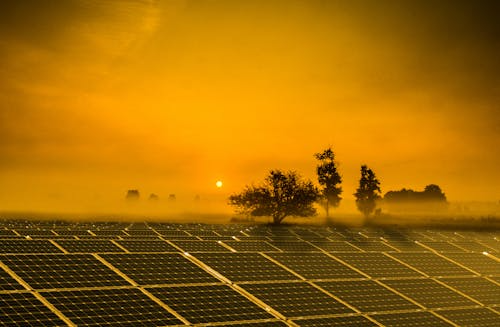
Fog is often seen as a barrier to solar energy production, especially in coastal regions like San Francisco. However, data shows that modern photovoltaic (PV) systems can still generate a percentage of their rated output under overcast conditions. While peak production occurs in direct sunlight, diffuse light—scattered through clouds and fog—still contributes to energy generation. This is where the science of solar efficiency becomes important, as it explains why solar remains a viable investment even in fog-prone areas.
For homeowners considering home solar systems, understanding how panels perform in less-than-ideal weather conditions helps set realistic expectations and reinforces long-term value.
How Solar Panels Work in Low-Light Conditions
Solar panels generate electricity by converting sunlight into energy through photovoltaic cells. These cells respond not only to direct sunlight but also to indirect, diffused light.
In foggy environments:
- Light is scattered rather than blocked completely
- Panels continue producing energy at reduced capacity
- Output remains consistent across daylight hours
A professional solar panel installer will design systems that maximise available light, ensuring steady performance even during cloudy conditions.
Why San Francisco’s Climate Still Supports Solar
Despite frequent fog, San Francisco receives a strong annual solar resource. The city averages over 250 sunny or partially sunny days per year. This balance allows residential solar to generate sufficient energy over time.
Key advantages include:
- Moderate temperatures that reduce panel overheating
- Consistent daylight hours throughout the year
- High energy production during clear periods
Working with a licensed solar contractor ensures that systems are positioned and configured to take advantage of these conditions.
Technology Advancements That Improve Efficiency
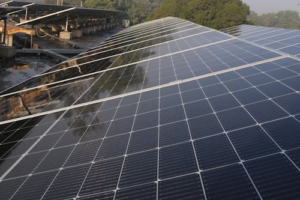
Modern solar systems are designed to perform well in variable weather. Innovations in panel design and system configuration have improved energy capture significantly.
Important advancements include:
- High-efficiency photovoltaic cells that respond to low-light conditions
- Microinverters that optimise output at the panel level
- Improved coatings that reduce reflection and increase absorption
A qualified solar energy contractor will typically recommend these technologies to improve performance. These upgrades contribute to more stable solar energy solutions, even during foggy mornings.
The Role of Maintenance in Foggy Environments
Fog can leave behind moisture and residue, which may affect panel performance if not addressed. Over time, buildup from environmental particles can reduce efficiency.
Routine solar panel cleaning & maintenance helps:
- Remove residue left by fog and pollution
- Maintain consistent light absorption
- Prevent long-term surface degradation
Systems installed through solar installation benefit from scheduled upkeep, ensuring steady performance throughout the year.
Energy Storage: Bridging the Gap
While fog may reduce daytime output, energy storage solutions help maintain a consistent power supply. Systems paired with solar battery installation store excess energy generated during sunny periods for later use.
Benefits of storage include:
- Reliable power during low-production periods
- Backup energy during outages
- Greater independence from the grid
Homeowners investing in home battery backup services can maintain stable energy access regardless of weather fluctuations.
Why Professional Installation Matters
The effectiveness of solar systems in fog-prone areas depends heavily on system design and installation quality. Proper panel orientation, tilt, and system configuration all influence performance.
Working with a trusted solar company or scheduling a free solar consultation allows homeowners to assess their property and energy needs accurately. An experienced solar energy contractor ensures that systems are designed to perform under local environmental conditions.
Solar Remains a Strong Investment in Foggy Regions
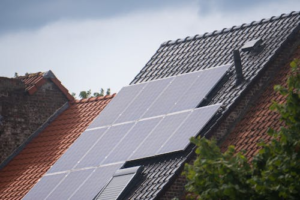
The science of solar efficiency demonstrates that fog does not eliminate solar production—it simply changes how energy is generated. With modern technology, proper installation, and routine maintenance, solar systems continue to deliver consistent output even in overcast conditions.
For homeowners considering home solar systems in San Francisco, the combination of advanced equipment and professional installation ensures long-term performance. Clean Energy Renewables Inc. provides expert guidance, installation, and maintenance services to help you maximise your solar investment. Contact us today to schedule your consultation and learn how solar can work effectively for your home.





Comments are closed