



A large roof can provide plenty of space for solar panels, but roof size alone does not determine how large a solar system should be.
A practical design starts with the home’s electricity consumption, daily energy patterns, and anticipated future needs.
Effective solar system sizing connects the available solar resource with how much electricity the household actually uses.
Why Does Electricity Consumption Matter?
The primary purpose of a residential solar system is to generate electricity for the property. Understanding how much energy the home consumes provides a starting point for determining the system’s potential capacity.
Electricity bills can reveal monthly usage trends, while solar monitoring data can provide additional insight for homes that already have panels installed.
Two homes with similarly sized roofs may have completely different energy requirements. One household may use relatively little electricity, while another may operate multiple air conditioning systems, an electric water heater, or an EV charger.
The solar design should account for those differences rather than relying on roof dimensions alone.
How Do Daily Energy Patterns Affect Solar Design?
The timing of electricity use also matters. Solar panels generate electricity primarily during daylight hours, but household consumption can occur throughout the day and evening.
A home with significant daytime electricity use may directly consume a larger portion of its solar generation. Another household may use more electricity after sunset, creating different considerations for system design and potential battery storage.
Looking at when electricity is being consumed can help create a more realistic solar plan.
What Future Energy Needs Should Homeowners Consider?
Solar planning should account for changes that may increase household electricity consumption.
Homeowners may eventually add:
- An electric vehicle
- An EV charger
- Additional air conditioning
- Electric appliances
- Home additions
- Battery storage
Including these considerations during the initial design can help avoid creating a system that no longer matches the property’s energy needs after a major electrical upgrade.
Future needs do not necessarily mean installing the largest possible system. They provide useful context for determining an appropriate configuration.
Does Roof Size Still Matter?
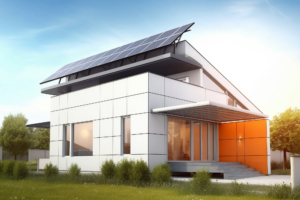
Roof size remains an important part of the design. Available space determines how many panels can physically be installed and how the array can be arranged.
However, usable roof area is different from total roof area. Chimneys, vents, skylights, roof orientation, shading, setbacks, and different roof sections can affect where panels can actually be placed.
A smaller roof with favorable sunlight exposure may support an effective system, while a larger roof may have areas that are less practical for panel placement.
How Does Clean Energy Renewables Inc. Approach Solar System Sizing?
Clean Energy Renewables Inc. evaluates household energy needs alongside the physical characteristics of the property when planning residential solar installations.
The company installs grid-tied solar systems using high-efficiency panels, Enphase microinverters, and advanced smart monitoring. Free consultations and system sizing allow homeowners to discuss current electricity use, future plans, available roof space, and potential system configurations.
The team includes journeyman electricians and licensed C-10 contractors, supporting the electrical considerations involved in residential solar installations.
Serving homeowners throughout the Bay Area, we work with properties in communities including Redwood City, Palo Alto, Mountain View, San Carlos, and San Jose.
Call (650) 906-7626 to discuss your property’s solar potential and plan a system around your household’s energy needs.






Comments are closed