


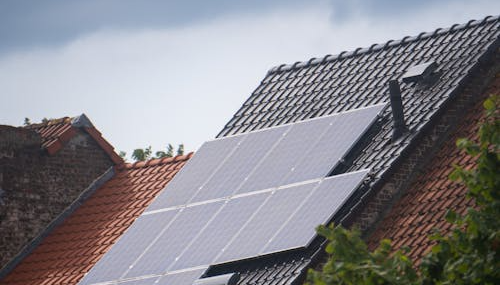
Coastal regions offer some of the most productive environments for solar energy generation, yet they present unique environmental stressors. Research indicates that salt spray can lead to “soiling loss,” where accumulated particulate matter blocks sunlight. Heavy soiling can reduce solar output if left unmanaged. Furthermore, the high humidity and salinity found in coastal air accelerate the corrosion of metallic components.
To protect a significant investment like home solar systems in San Francisco, owners must adopt a rigorous strategy for system care.
The Impact of Salt Air and Marine Fog
Living near the ocean means dealing with “salt mist,” a fine aerosol of seawater that settles on glass surfaces. When fog rolls in, it carries moisture that bonds salt particles to the panels. As the water evaporates, it leaves behind a crusty white film.
- Light Obstruction:Even a thin layer of salt film reflects photons away from the silicon cells, lowering the total voltage produced.
- Thermal Stress:Areas with heavy salt buildup can develop “hot spots” where cells under the grime struggle to pass current, leading to premature aging of the module.
- Corrosion Risks:Beyond the glass, salt air attacks the aluminum frames and mounting hardware. Without a licensed solar contractor to check for oxidation, structural integrity could fail over time.
Establishing a Cleaning Schedule
Rain provides a natural rinse, but in coastal climates, rain often lacks the pressure to remove sticky salt residue. A professional maintenance guide for solar panels suggests a bi-annual deep clean, ideally in late spring and early autumn.
- Timing:Always clean panels in the early morning or evening. Cold water hitting panels that have sat in the sun all day can cause the tempered glass to crack from thermal shock.
- Water Quality:Use deionized or distilled water if possible. Hard tap water leaves mineral deposits that further block sunlight.
- Tools:Use a soft-bristle brush or a squeegee. Avoid abrasive sponges or high-pressure washers, which can strip the anti-reflective coating off the panels.
Inspecting Electrical and Structural Components
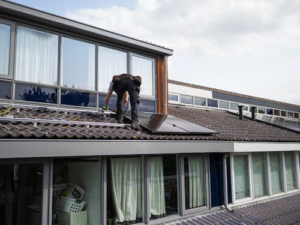
Maintenance involves more than just cleaning glass. The salty environment necessitates a close look at the “hidden” parts of the system. Enlisting a solar energy contractor for an annual inspection helps identify issues before they lead to system failure.
- Wiring Integrity:Check for frayed insulation. Saline moisture can seep into connectors, causing short circuits or ground faults.
- Mounting Hardware:Saltwater is highly corrosive to lower-grade metals. Professionals typically use marine-grade stainless steel or anodized aluminum to prevent rust.
- Inverter Health:Ensure the inverter vents are clear of debris. In coastal areas, spiders and small insects often seek shelter in these warm spaces, which can lead to overheating.
Optimizing Performance with System Upgrades
For those with aging setups, solar upgrades can significantly boost production. Modern panels feature improved glass coatings that shed water and salt more effectively than models from a decade ago.
If you are looking for reliable energy solutions, consider integrating a storage component. A solar battery installation allows you to capture excess energy during peak daylight hours. This stored power provides home battery backup services during coastal storms or grid outages, making your home more resilient.
Long-Term Protection Strategies
Choosing the right hardware during the initial solar installation is the best form of maintenance. High-quality modules are tested against Salt Mist Corrosion (IEC 61701 standards). When working with a solar panel installer in the Bay Area, verify that the equipment is rated for high-salinity environments.
- Protective Coatings:Some owners apply specialized hydrophobic coatings to the glass to repel salt and water.
- Monitoring Software:Use mobile apps to track daily output. A sudden dip in production is often the first sign that salt buildup has reached a critical level.
- Professional Servicing:Regular solar panel cleaning & maintenance by experts removes the risk of falling off a roof or damaging the equipment with improper tools.
Coastal Solar Longevity and Performance
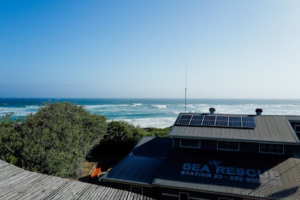
Coastal living provides a beautiful backdrop for renewable energy, but it requires a proactive approach to equipment care. By neutralizing the effects of salt air through regular cleaning and professional inspections, you can keep your system running at maximum capacity for decades.
Are you ready to maximize your clean energy potential? Consult Clean Energy Renewables Inc. today to schedule a free solar consultation and expert solar energy solutions. Call now!






Comments are closed