


Homeowners often ask how long solar systems last before major components need replacement. The answer depends on equipment type, usage patterns, climate exposure, and installation quality. Understanding realistic timelines helps set clear expectations for performance and maintenance. When reviewed together, these factors define the true solar equipment lifespan.
Solar Panel Lifespan
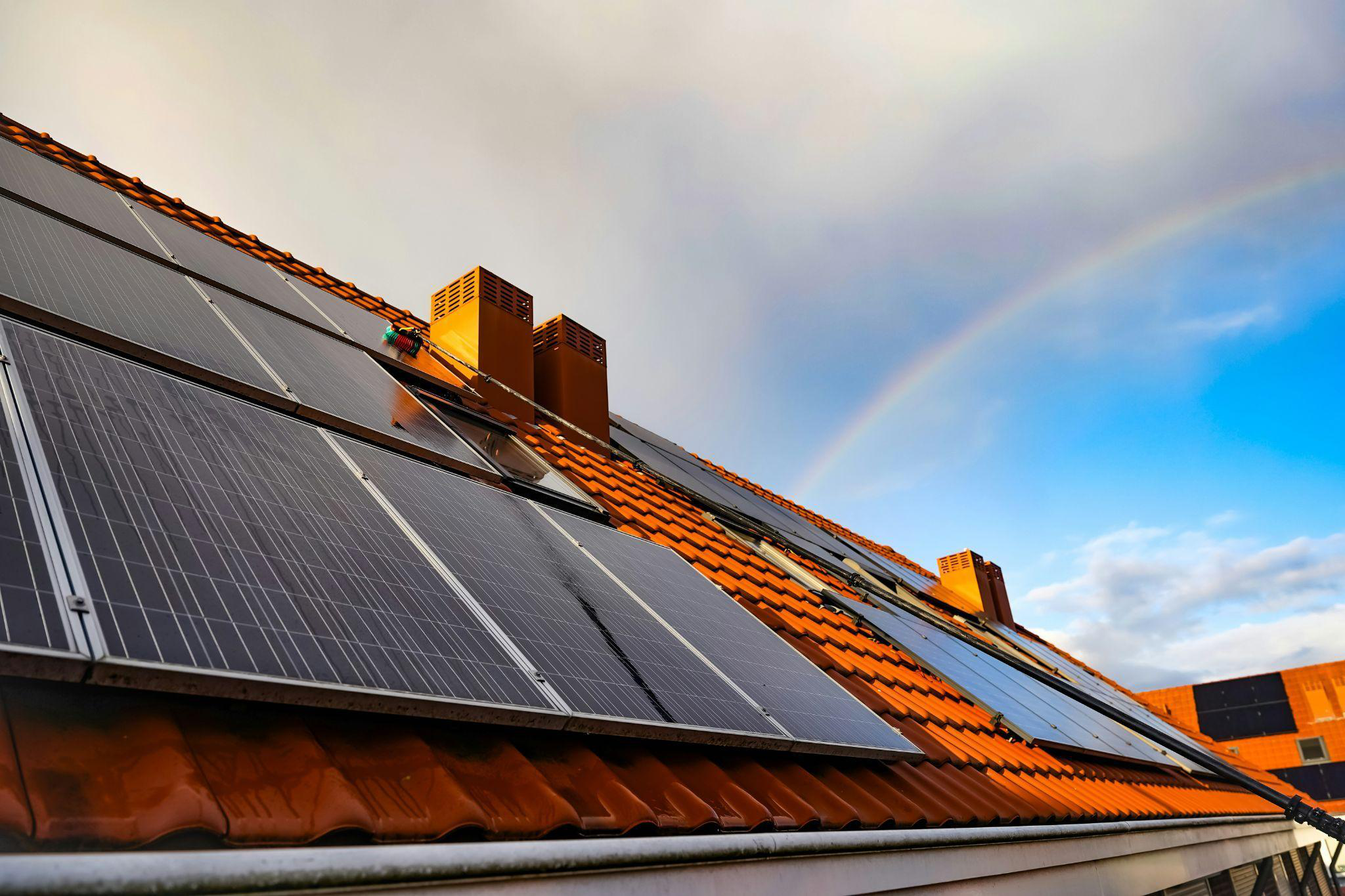
Modern solar panels are built for long service periods. Most manufacturers rate panels for 25 to 30 years of operation. This timeline does not mean panels stop working at that point. Instead, output gradually declines at an average rate of about 0.5 percent per year.
After 25 years, many panels still produce 80 percent or more of their original capacity. Physical durability often exceeds warranty periods, especially when panels receive routine inspections and proper mounting. Weather exposure, roof angle, and airflow all influence the long-term solar equipment lifespan of panels.
Inverter Replacement Timelines
Inverters convert direct current from panels into usable alternating current. They operate continuously and experience more electrical stress than panels. For this reason, inverters usually require earlier replacement.
String inverters typically last 10 to 15 years. Microinverters and power optimizers often last 20 to 25 years due to distributed workload and improved thermal control. Planning for at least one inverter replacement during the system’s life remains realistic.
Battery Storage Life Expectancy
Home energy storage systems use lithium-ion chemistry similar to electric vehicles. Battery lifespan depends on cycle depth, daily usage, and temperature conditions.
Most residential batteries carry warranties for 10 to 15 years or a defined number of charge cycles. After this period, batteries continue operating with reduced capacity. Many homes choose battery replacement once usable storage drops below household demand. Battery planning forms an important part of total solar equipment lifespan expectations.
Mounting Hardware and Electrical Components
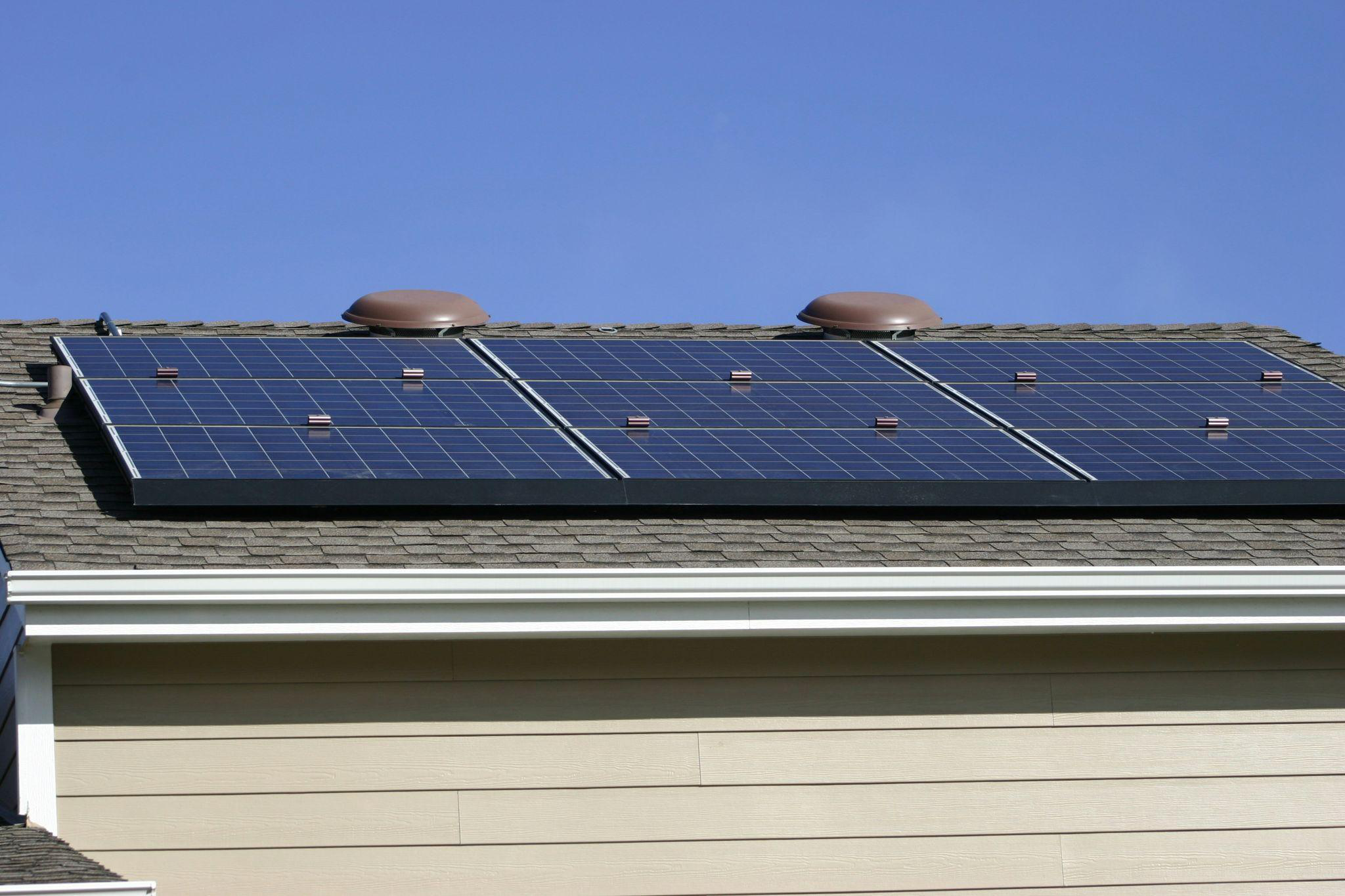
Racking systems, wiring, junction boxes, and breakers often last 25 years or longer when installed correctly. Corrosion resistance, proper grounding, and weather-rated materials protect long-term performance.
Electrical wear may appear sooner in coastal or high-heat environments. Periodic testing helps identify loose connections or insulation aging before failures occur.
Maintenance and Inspection Impact
Routine maintenance extends the operational life of every solar component. Annual inspections verify grounding integrity, panel attachment, wiring condition, and inverter operation.
Cleaning panels removes dust buildup that reduces output. Electrical inspections detect heat buildup and voltage irregularities. These practices directly support long-term solar equipment lifespan stability.
Clean Energy Renewables Inc. Long-Term Solar Performance Planning
At Clean Energy Renewables Inc., we plan systems with full lifecycle awareness. Our work across San Francisco focuses on durability, service access, and future replacement planning. We support homeowners with properly designed home solar systems that allow smooth inverter and battery upgrades. As a licensed solar panel installer in San Francisco, we also provide inspections, repairs, and expansion services.
Our experience includes solar battery installation in San Francisco, performance checks, and scheduled service planning that supports reliable operation year after year. Contact today to schedule a free solar consultation in San Francisco and plan your system for long-term reliability.






Comments are closed