


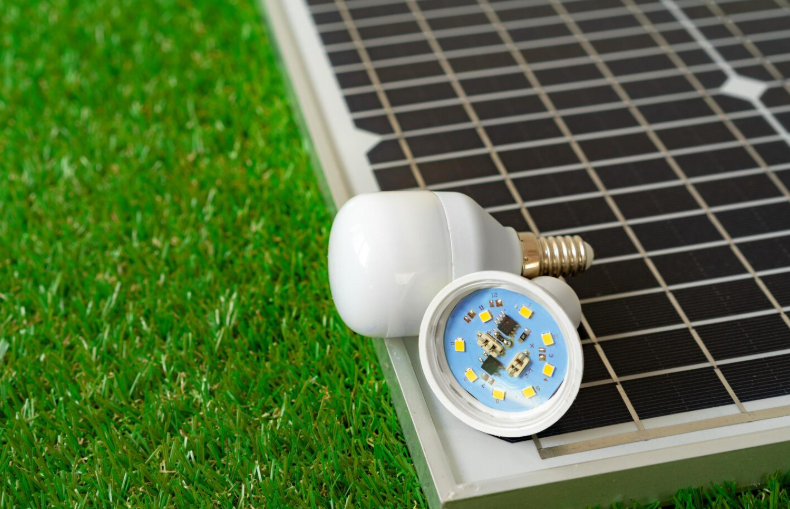
Solar panels depend on sunlight to generate electricity, making the amount of sunlight reaching an array an important part of system performance. Trees, neighboring buildings, chimneys, roof structures, and changing seasonal conditions can all create shade across a residential solar system.
The impact varies based on the location, duration, and timing of the shade. A property may receive strong sunlight for much of the day while still experiencing production changes during certain hours.
Understanding these patterns during solar design and ongoing maintenance can help homeowners make better use of their available roof space.
How Shade Changes Solar Production
A solar panel converts sunlight into electricity. When part of an array receives less sunlight because of an obstruction, the affected equipment may produce less energy.
The amount of lost production depends on several factors. A small amount of shade during a low-production period may have a relatively limited effect, while recurring shade during peak sunlight hours can have a greater impact.
The location of the obstruction matters, too. A tall tree may cast a long shadow across the roof in the morning or afternoon, while a neighboring structure may create predictable shade at particular times of the year.
This makes the property’s surroundings an important part of residential solar design.
Trees Can Change the Equation Over Time
Trees are one of the most common sources of changing shade around residential solar systems.
A roof that receives excellent sunlight when a solar system is installed may have a different solar exposure several years later as nearby trees grow. Branches can extend over the roof, while taller trees can cast shadows across portions of the array.
Seasonal changes also matter. A deciduous tree may create different shading conditions throughout the year, while evergreen trees can provide relatively consistent obstruction.
That doesn’t necessarily mean trees need to be removed. Solar design should account for the existing surroundings and expected changes wherever possible.
Buildings and Roof Features Can Create Shade
Trees aren’t the only source of shading. Neighboring homes, garages, chimneys, dormers, roof vents, parapets, and other structures can block sunlight from reaching some areas of an array.
The effect can vary throughout the day as the sun moves across the sky. A section of roof that is fully exposed in the middle of the day may receive shade earlier in the morning or later in the afternoon.
This is one reason a solar installation should be designed around the specific property rather than relying on a generic system layout.
Clean Energy Renewables Inc. considers factors such as roof orientation, shading, energy consumption, roof structure, and future energy needs when developing residential solar systems.
Microinverters Can Help With Shaded Conditions
System design and equipment selection can influence how shading affects a solar array.
Clean Energy Renewables Inc. installs grid-tied solar systems using high-efficiency panels and Enphase microinverters, paired with advanced smart monitoring.
Microinverters are installed at the individual panel level rather than relying on one central inverter for the entire array. This configuration can provide greater independence between panels, which can be useful when different parts of a roof experience different sunlight conditions.
However, microinverters do not make shade irrelevant. A panel receiving less sunlight still has less solar energy available to convert into electricity. Equipment can help manage the effects of varying production, but it cannot create sunlight where an obstruction blocks it.
How to Tell Whether Shade Is Affecting Your System
Homeowners may notice a shading issue through changes in energy production or system monitoring.
Some useful indicators include:
- Production that drops during predictable hours
- Different output patterns between seasons
- A gradual decline as nearby trees grow
- Lower production from specific areas of the array
- Monitoring information showing inconsistent panel performance
Comparing current production with historical system data can help identify changes. However, reduced output isn’t always caused by shade. Equipment problems, wiring issues, inverter performance, weather conditions, and other factors can produce similar symptoms.
A professional inspection can help separate a shading issue from an equipment or electrical problem.
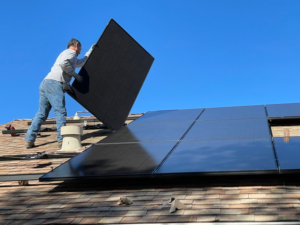
Can Solar Panels Still Work With Some Shade?
Yes. Solar panels can continue generating electricity when some shade is present. The question is how much production is affected and whether the available roof space remains productive enough for the home’s energy goals.
Complete shade isn’t necessary for a panel’s output to change. Partial shade can also reduce the amount of sunlight available.
For that reason, solar design involves more than determining whether a roof faces the sun. The surrounding environment, roof layout, orientation, and expected shading patterns all contribute to the system design.
What Homeowners Can Do About Shade
The appropriate response depends on the source and severity of the shading.
For trees, homeowners may consider appropriate trimming where practical. Keeping vegetation from growing directly over or against solar equipment can also support general system upkeep.
For permanent structures, relocating panels may sometimes be considered during a new installation or future system modification. Available roof space, electrical design, and energy requirements all need to be reviewed before making changes.
Regular monitoring is another useful step. Tracking production can reveal gradual changes that might otherwise go unnoticed.
Professional Solar Design Makes a Difference
A property-specific solar assessment can identify potential shading concerns before installation. Clean Energy Renewables Inc. offers free consultation and system sizing, giving homeowners an opportunity to discuss their energy use, property characteristics, and system requirements.
The company’s crew includes journeyman electricians and licensed C-10 contractors, supporting residential solar installations with attention to electrical requirements and system performance.
Request a quote. The team serves homeowners throughout the Bay Area, including Redwood City and San Jose.


Comments are closed