

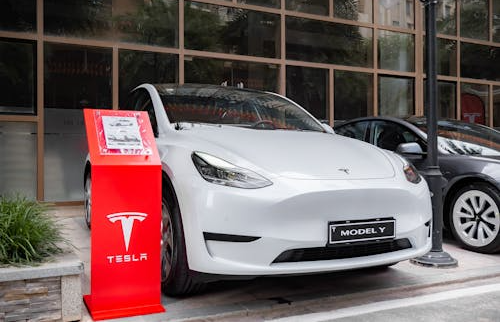
Electric vehicle ownership continues to rise across California, with over 1.5 million EVs registered statewide as of 2025. As more homeowners install charging systems, errors during setup are becoming more common—often leading to delays, added costs, and safety concerns.
Understanding the most common mistakes to avoid can help ensure a smooth and compliant installation process, especially in cities like San Francisco with strict permitting and electrical standards.
1. Ignoring Local Permitting Requirements
San Francisco requires permits for residential EV charger installations. Skipping this step can result in fines or forced removal.
Professional electric vehicle charger installers manage permitting and inspections, reducing delays.
2. Underestimating Electrical Panel Capacity
Many homes, particularly older ones, may not have sufficient panel capacity to support a Level 2 charger. Without proper evaluation, installations can fail or require costly upgrades later.
- Panel load calculations must be completed before installation
- Upgrades may be needed for a home EV charging station
- Coordination with a licensed solar contractorhelps ensure compliance
3. Choosing the Wrong Installation Location
Improper charger placement can affect usability and safety. Installations should consider cable reach, ventilation, and proximity to the main electrical panel.
- Avoid placing chargers in areas exposed to excessive moisture
- Ensure easy vehicle access and safe cable routing
4. Overlooking Integration with Solar Systems
Many homeowners miss the opportunity to pair EV charging with solar energy. Combining solar installation with EV charging reduces electricity costs over time.
- Systems like Tesla Powerwall store excess solar energy
- Integration supports better energy usage across home solar systems.
5. Attempting DIY Installation
DIY installations often lead to code violations and safety risks. Improper wiring or grounding can damage equipment and void warranties.
Hiring professionals for EV charger installation ensures compliance with electrical codes and manufacturer standards.
6. Ignoring Future Energy Needs
Installing a charger without planning for future expansion can limit system performance. Homes adding solar, battery storage, or additional EVs require scalable infrastructure.
- Plan for solar battery installationor home battery backup services
- Work with a solar energy contractorto design adaptable systems
7. Not Verifying Installer Credentials
Choosing unqualified installers can result in poor workmanship and long-term issues. Always verify licensing, insurance, and local experience.
- Look for an experienced solar panel installer
- Confirm reputation as a best solar companyoffering reliable energy solutions
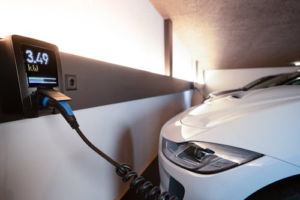
Plan for a Reliable Installation
Avoiding these common mistakes to avoid can save time, reduce costs, and improve system performance. Proper planning, professional installation, and integration with broader energy systems ensure long-term reliability.
At Clean Energy Renewables Inc., we provide expert Tesla charger installation services along with free solar consultation in San Francisco to help homeowners build efficient, future-ready energy systems. Contact our team to get started with a compliant and well-structured installation.






Comments are closed