



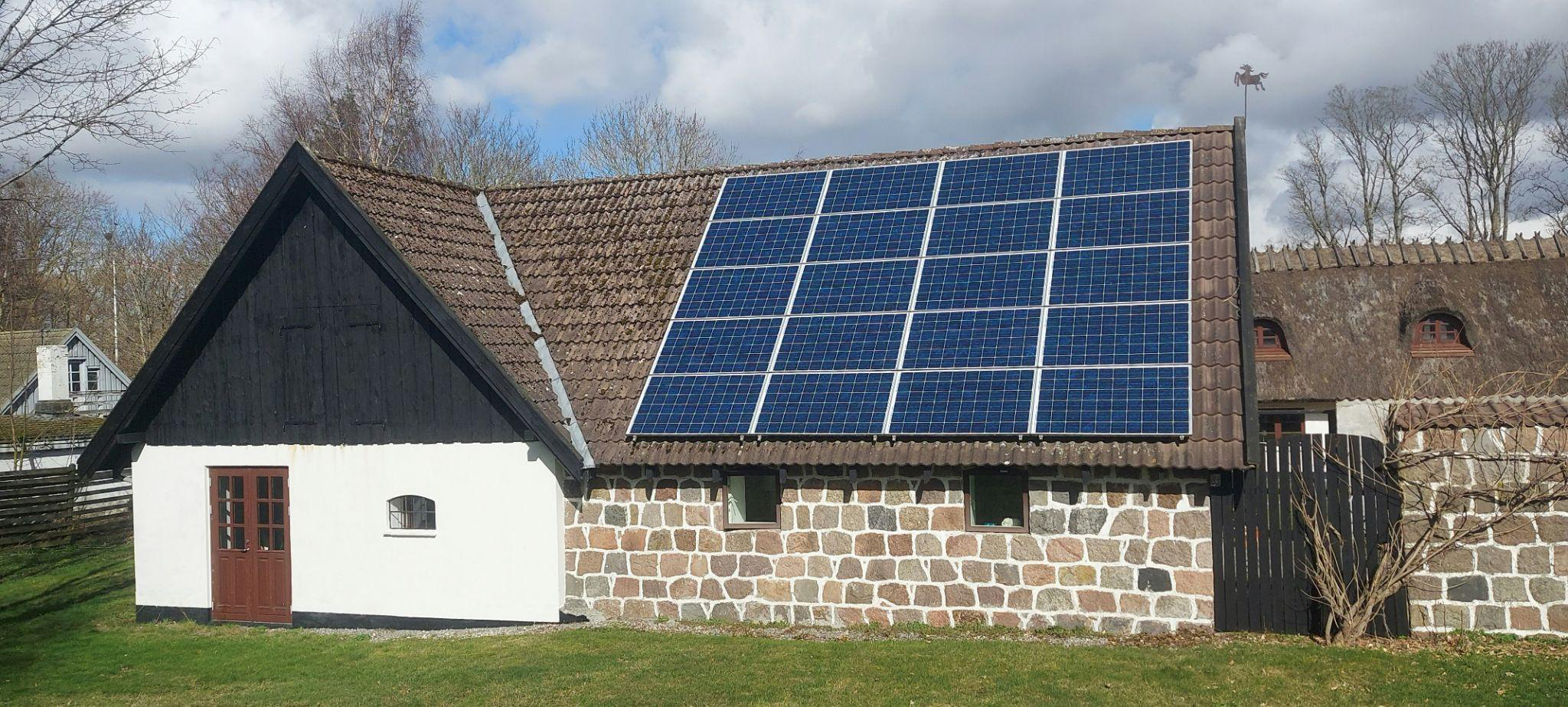
Many homeowners expect solar panels to keep producing electricity during a blackout. In reality, most residential systems stop working the moment the utility grid goes down. Understanding why this happens helps explain the limits of grid-tied solar and how batteries change access to solar power during outages.
Why Grid-Tied Solar Systems Shut Off
Most residential solar systems connect directly to the utility grid. These systems operate by sending excess electricity back to power lines during the day and drawing energy from the grid at night.
When the grid loses power, solar inverters automatically shut down. This shutdown protects utility workers who may be repairing damaged lines. If solar systems continued exporting electricity during repairs, energized lines could cause serious safety risks. For this reason, electrical codes require grid-tied solar to disconnect instantly during outages.
What Happens Inside the Inverter
Solar panels continue producing direct current when sunlight hits them. However, that power cannot flow into the home without an active inverter connection. When grid voltage disappears, the inverter detects instability and stops converting power.
This process happens automatically within seconds. Even on a bright afternoon, the home loses access to solar energy. Without storage equipment, there is no way to isolate the home from the grid and keep electricity flowing.
Why Solar Alone Cannot Power the Home
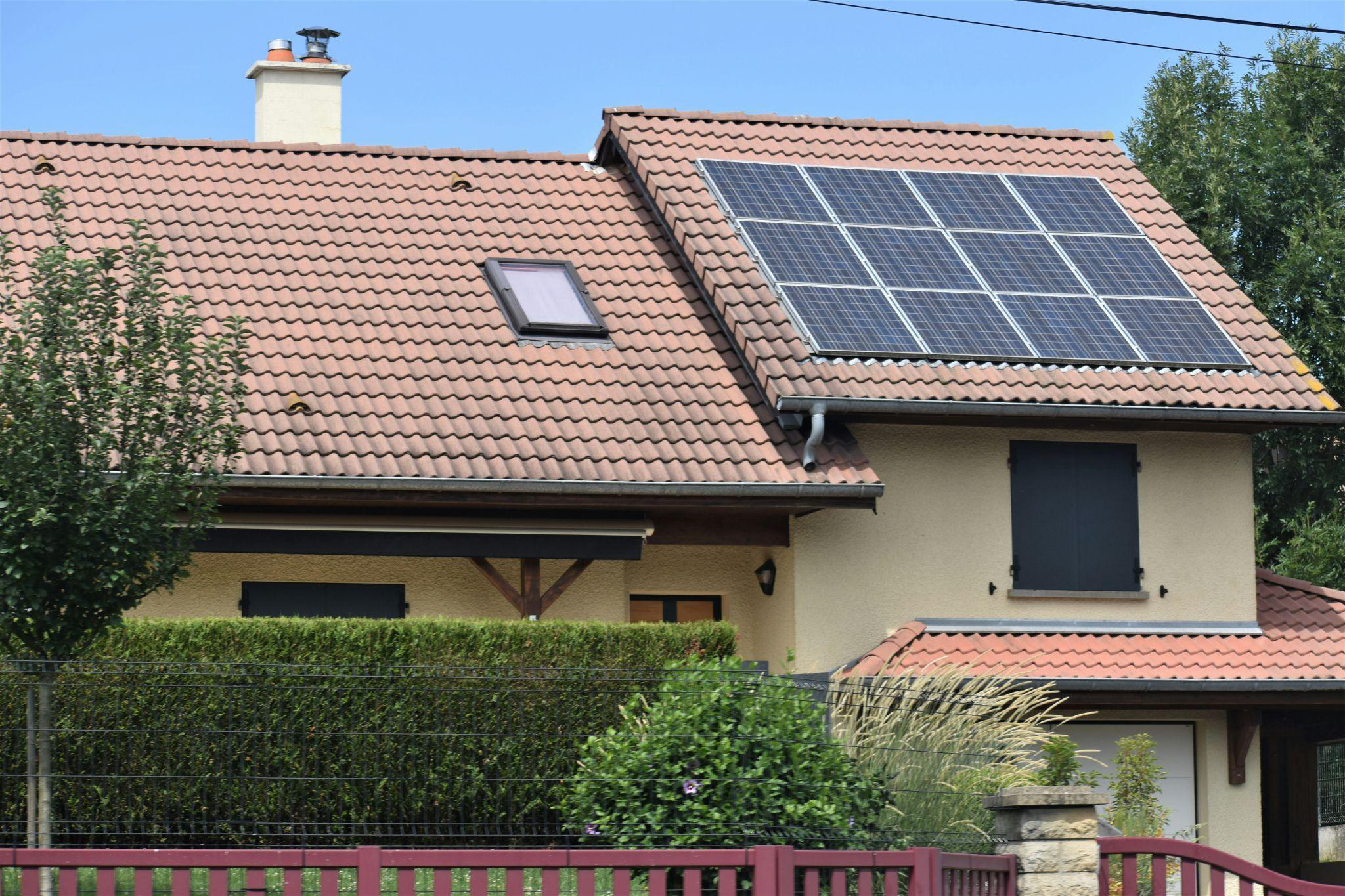
A grid-tied system depends on a constant voltage reference from the utility. Appliances need a stable frequency and current flow. Without the grid acting as that reference point, the inverter cannot regulate electricity safely.
Because of this limitation, homeowners without batteries experience no solar power during outages, even though panels remain fully functional on the roof.
How Batteries Change System Behavior
Battery systems add isolation capability. When the grid fails, the battery disconnects the home from the utility and forms a separate electrical circuit. This process creates a local power source that stabilizes voltage and frequency.
Once isolated, the solar system can resume production. Panels generate electricity, supply household loads, and recharge the battery during daylight hours. This setup allows continued solar power during outages as long as sunlight and stored energy remain available.
What Powers the Home During an Outage
With battery backup, homeowners can power selected circuits or the entire home, depending on system size. Refrigerators, lighting, internet equipment, and medical devices commonly remain active.
During daytime outages, solar energy directly supports household loads. At night or during cloud cover, stored battery energy supplies electricity until grid service returns.
Limitations Without Battery Storage
Homes without batteries experience complete power loss during outages. Solar panels cannot offset this interruption. Net energy metering credits also do not apply during grid failure because there is no grid connection.
This limitation often surprises new solar owners who assume panels alone provide backup power.
Planning for Grid Reliability
As outages increase due to weather events and grid maintenance, many homeowners evaluate storage options. Batteries do not increase panel production, but they extend access to energy when it matters most.
Understanding these system behaviors helps homeowners make informed decisions about long-term resilience and realistic expectations for solar power during outages.
Clean Energy Renewables Inc. Supports Solar System Installations
At Clean Energy Renewables Inc., we help homeowners plan systems that continue supplying power when the grid goes offline. We design dependable setups for solar installation in San Francisco with proper backup integration. Our team installs advanced home solar systems in San Francisco that support outage operation through battery storage.
We provide complete solar battery installation, including Tesla Powerwall installation and Enphase battery installation in San Francisco. Contact today to schedule a free solar consultation in San Francisco and learn how to maintain reliable power when the grid goes down.





Comments are closed