


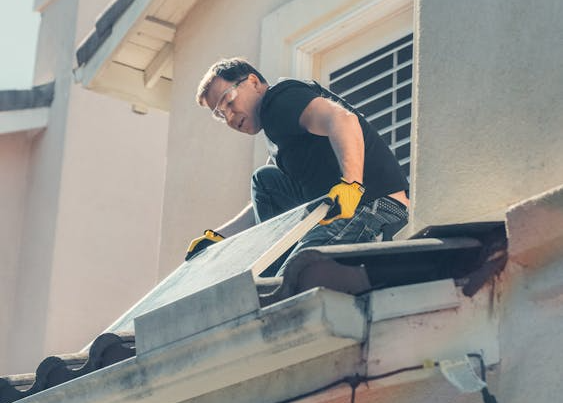
Bay Area homes are aging, and so are a lot of the roofs beneath them. As shingles thin out and structural issues surface, roof replacements are becoming a routine part of homeownership across San Francisco and the surrounding region. For the tens of thousands of households that also carry rooftop solar, that process comes with a complication most roofers are not equipped to handle on their own: what happens to the panels.
Roof replacement with solar panels is not a simple coordination problem. It is a technically involved process requiring licensed solar work, careful electrical disconnection, and post-reinstall commissioning. Getting it right protects your system, your roof warranty, and, for homeowners on legacy metering agreements, your NEM2 status. Our team provides solar removal and reinstall services in the Bay Area specifically to manage this process correctly from start to finish.
Why Solar Panels Have to Come Off Before Roofing Begins
A roofing crew needs full, unobstructed access to the deck. That is not possible with panels and racking in place. Beyond accessibility, there are serious risks to leaving a system mounted during a tear-off: mechanical damage to panels from foot traffic and falling debris, exposure of wiring and conduit runs, and the voiding of manufacturer warranties when equipment is mishandled by workers who are not solar technicians. Some roofing contractors offer to remove panels themselves, and this is where problems begin.
Solar panels are electrical equipment operating at significant DC voltages even on overcast days. Disconnection must be handled by someone who understands the system architecture. The U.S. Department of Energy’s guidance on roof replacement and solar makes clear that proper coordination between roofing and solar professionals is the only path that protects both the roof and the energy investment. Having a general contractor pull panels without a solar technician on site is how systems come back online with faults, damaged modules, and wiring errors.
What the Removal and Reinstall Process Looks Like
The process begins well before the roofers arrive. Our team schedules a pre-removal inspection to document system layout, photograph wiring runs, and identify any hardware that should be replaced during reinstall. The system is then safely shut down and disconnected from the grid, panels are de-racked in sequence, and all components are inventoried and stored.
Once the roofing work is complete and the new roof has passed inspection, we return to reinstall. Racking goes back first, updated where needed to match the new roof surface. Panels are re-mounted, wiring is reconnected, and the system is recommissioned and tested for correct output. We verify monitoring data before the job is considered closed. The DOE Homeowner’s Guide to Solar recommends working exclusively with licensed professionals at every stage of a solar project, and removal and reinstall are no exception.
Protecting Your NEM Status and Solar Warranty During the Job
For homeowners who interconnected before April 15, 2023, NEM2 status carries real financial value: retail-rate export credits for up to 20 years from interconnection. That status is tied to the specific system configuration on file with PG&E. According to CPUC rules governing NEM eligibility, modifications that exceed certain thresholds, including capacity increases above 10% of the original nameplate rating, can trigger a move to NEM 3.0. A licensed solar contractor knows which changes are safe and which cross that line.
Solar panel installer experience matters here because the reinstall must go back on file as a maintenance event, not a new installation. Our team documents all work properly for utility interconnection records and preserves existing warranty coverage where possible. Unlicensed panel handling is the fastest way to invalidate both.

Timing, Costs, and What to Ask Your Contractor
The most common mistake homeowners make is contacting their solar company too late. Roof replacement scheduling moves quickly, and removal needs to happen before the roofers begin, not after. Removal and reinstall typically take one to two days each, with storage time in between. Factor this into the roofing timeline from the start.
Costs for removal and reinstall vary by system size and complexity, but the expense is straightforward when handled by a single team managing both sides of the coordination. Ask your solar contractor whether they hold a C-10 electrical license, whether the work will be permitted, and how they handle recommissioning documentation for your utility. These are not optional details.
A Smoother Roof Job Starts With the Right Solar Team
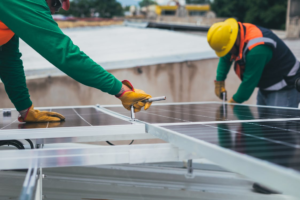
Clean Energy Renewables Inc. manages professional solar removal and reinstall services in San Francisco and across the Bay Area, including Redwood City and San Jose, for homeowners completing roof repairs or full replacements. Every project is handled by our crew of C-10 contractors and journeyman electricians, drawing on over 13 years of field experience. We coordinate directly with your roofing contractor, handle all permitting, and recommission the system to verified output before we consider the job finished.
If a roof replacement is on your horizon and you want to protect your panels, your NEM status, and your warranty, reach out to schedule a free solar consultation in San Francisco. We will review your system, walk you through the process, and coordinate every step so your solar investment comes through the project intact.






Comments are closed