


Many homeowners assume that identical system sizes should produce identical energy output. In practice, that rarely happens. Two homes may install the same kilowatt capacity yet see noticeable performance gaps. These solar production differences come from physical conditions, equipment selection, and electrical design rather than panel count alone.
Roof Pitch and Sun Angle
Roof pitch controls how directly sunlight reaches the panels throughout the year. A steep roof may capture stronger winter sun, while a flatter surface may perform better during summer months. When pitch does not align with regional sun paths, panels receive less exposure during peak hours. This variation alone can create measurable solar production differences between similar systems.
Roof Orientation Matters
Orientation determines how long panels receive direct sunlight. South-facing roofs typically produce the highest annual output. East-facing systems generate more power in the morning, while west-facing arrays perform later in the day. Even with the same system size, orientation changes daily output patterns and total yearly production.
Shading From Nearby Objects
Trees, chimneys, neighboring buildings, and roof features cast shadows that reduce energy flow. Partial shading affects far more than the shaded panel itself. In traditional string systems, a single shaded panel can lower production across an entire circuit. Shade exposure often explains major solar production differences between nearby homes.
Inverter Type and System Design
Inverter selection strongly affects performance. String inverters connect panels in series, which limits output when one panel underperforms. Microinverters and power optimizers allow each panel to operate independently. Homes with shading or mixed roof angles often see higher output when each panel functions separately.
Electrical Efficiency Losses
Electricity loses strength as it travels through wiring and electrical components. Long wire runs, undersized conductors, poor terminations, and excessive junction points all reduce delivered power. Losses also occur when electrical panels operate near capacity. These hidden factors quietly contribute to solar production differences even when equipment appears similar.
Roof Layout and Panel Grouping
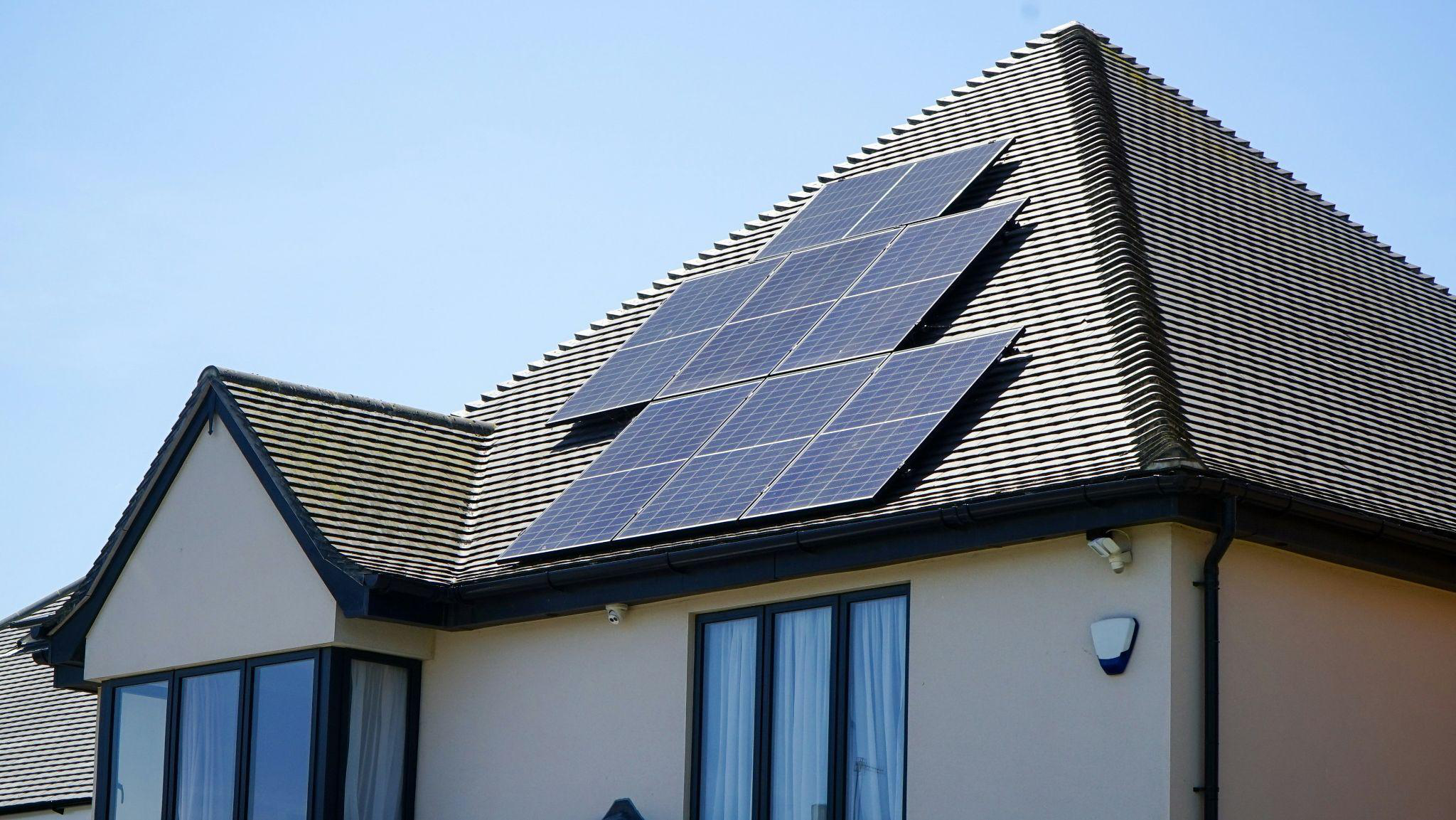
Panel placement affects airflow, operating temperature, and consistency of sunlight exposure. Panels installed too close together may trap heat, which lowers voltage output. Irregular roof shapes can force uneven layouts that reduce performance compared to clean rectangular surfaces.
Climate and Microenvironment Effects
Homes only streets apart may experience different wind exposure, fog patterns, or afternoon cloud cover. These microclimates affect panel temperature and light intensity. Cooler panels often outperform hotter ones even under identical sun conditions.
Why System Size Alone Tells Only Part of the Story
Kilowatt size measures panel capacity under laboratory testing conditions, not real-world operation. Actual output depends on how sunlight reaches the roof, how power moves through the home, and how equipment responds to environmental changes. Without full site analysis, equal system sizes rarely deliver equal results.
Clean Energy Renewables Inc. Delivers Accurate Solar Performance Planning
At Clean Energy Renewables Inc., we design systems based on real site conditions rather than panel counts alone. Our approach supports dependable output across solar installations and residential solar projects in San Francisco. We evaluate roof pitch, shading, and electrical flow before installing home solar systems in San Francisco.
As a licensed solar panel installer in San Francisco, we also provide long-term planning for batteries, upgrades, and maintenance. Contact today to schedule a free solar consultation in San Francisco.






Comments are closed