



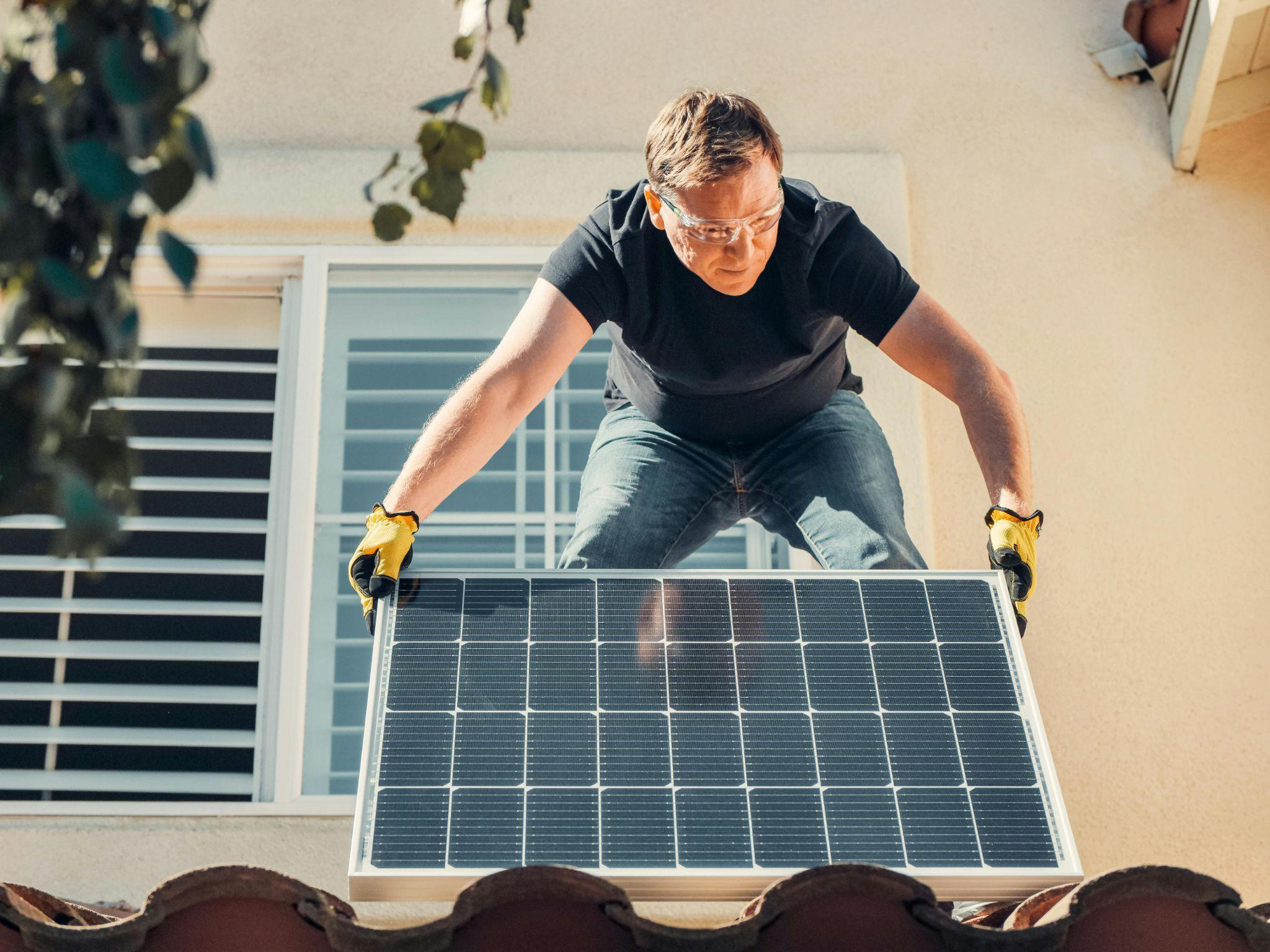
Home energy use often grows over time. Families add electric vehicles, heat pumps, or additional living space. When solar output no longer matches demand, homeowners face an important choice. They can add panels through solar system expansion, or they can replace the system entirely. Each option has clear advantages depending on system age, equipment type, and electrical capacity.
When Solar Expansion Works Well
A system expansion adds new panels to an existing array. This option works best when the original system remains modern and compatible with current equipment.
Homes with microinverters often qualify for smoother solar system expansion. Each panel operates independently, which allows new modules to integrate without affecting older ones. Electrical panels must also have enough breaker space to support added capacity.
Roof condition matters as well. If the roof has at least ten years of usable life remaining, expansion can proceed without removal. In these cases, adding panels offers a lower upfront cost and minimal construction time.
Equipment Compatibility Considerations
Not all systems support expansion easily. Older string inverter systems often limit how many panels can connect safely. Adding mismatched panel wattages may reduce overall output.
Manufacturers also retire equipment models over time. When replacement parts are unavailable, combining old and new hardware becomes difficult. These limitations can restrict solar system expansion even when roof space exists.
Electrical Panel Capacity Limits
Electrical infrastructure determines how much solar a home can support. Main service ratings, breaker availability, and busbar limits control the maximum system size.
If the electrical panel operates near capacity, expansion may require a panel upgrade. In some cases, the cost of electrical changes approaches the price of a full redesign.
When Full Replacement Makes More Sense
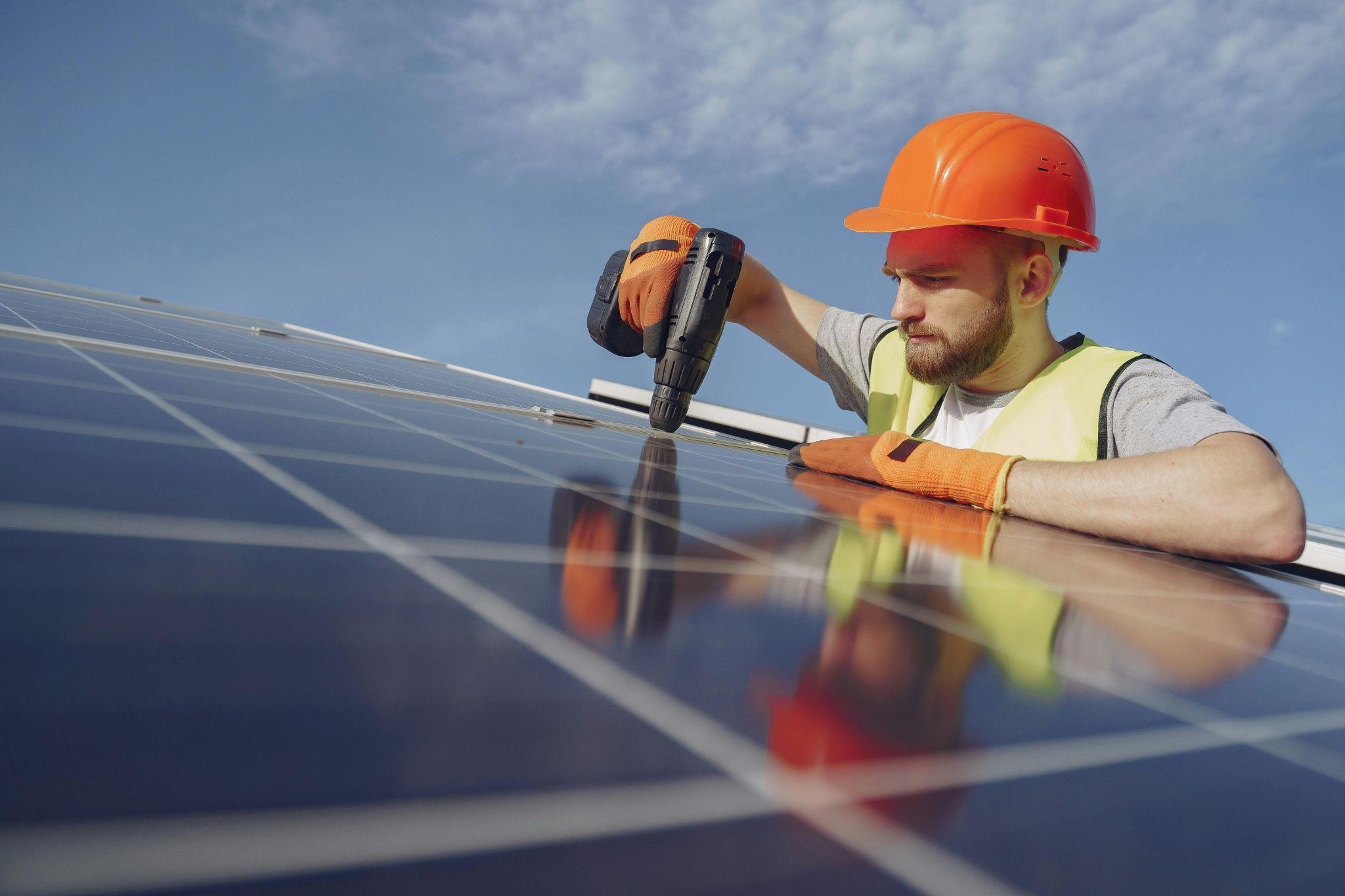
A complete system replacement removes the existing array and installs new equipment. This option often becomes safer when systems exceed 15 years of age.
Older panels produce less energy due to natural degradation. Inverters may approach the end of life. Replacing only part of the system can leave homeowners managing frequent service calls.
Full replacement also allows redesign based on current usage. New layouts improve production, adjust roof placement, and prepare the system for batteries or electric vehicle charging.
Roof Work and Long-Term Planning
Roof replacement timing strongly affects the decision. If reroofing is planned soon, removal and reinstall may add unnecessary cost. In these cases, full replacement during roofing work provides long-term stability.
New designs also improve conduit routing, attic access, and future service clearance. These updates reduce maintenance complexity over the next twenty-five years.
Financial and Warranty Differences
Expanded systems usually carry separate warranties for new components only. Existing equipment retains its original warranty period.
Full replacement resets coverage under one unified warranty structure. Homeowners gain clarity on service timelines and long-term protection.
Clean Energy Renewables Inc. Provides Smart Solar Upgrades
At Clean Energy Renewables Inc., we help homeowners choose the safest long-term path for system growth. Our team evaluates electrical capacity, roof condition, and production goals before recommending upgrades. We support projects ranging from solar installation in San Francisco to advanced redesigns for expanding households.
We deliver dependable home solar systems in San Francisco built for future demand. As a licensed solar panel installer, we also provide inspections, redesign planning, and battery-ready layouts. Contact today to schedule a free solar consultation in San Francisco and learn whether expansion or replacement best supports your home’s energy goals.






Comments are closed